8 Tips That will Nurture Your Mind and Soul

Taking care of your mental health is super important, but it’s not always easy. Between work, family, and everything else life throws at us, finding time and space for yourself can be a challenge.
But don’t worry, I've got some laid-back, wellness-focused tips to help you nurture your mental well-being. From setting boundaries and practicing mindfulness to using a digital self-care planner, let’s dive into how you can take care of your mind and soul with ease.
1. Practice Mindfulness and Meditation
Mindfulness and meditation are powerful tools for maintaining mental wellness. They help you stay present, reduce stress, and improve your overall mood.
a. Start Small: If you’re new to mindfulness or meditation, start with just a few minutes a day. Apps like Headspace or Calm can guide you through short sessions that fit into your schedule.
b. Create a Routine: Incorporate mindfulness into your daily routine. This could be a short meditation in the morning, a mindful walk, or simply taking a few deep breaths before a meeting.
c. Be Kind to Yourself: Don’t stress if your mind wanders during meditation. It’s normal and part of the process. Gently bring your focus back to your breath or your chosen meditation.
d. Try Different Techniques: Explore various mindfulness techniques to find what works best for you. This could be guided imagery, body scans, or mindful eating.
e. Mindful Moments: Practice mindfulness during everyday activities. Focus on the taste and texture of your food, the feeling of the sun on your skin, or the sound of the rain.
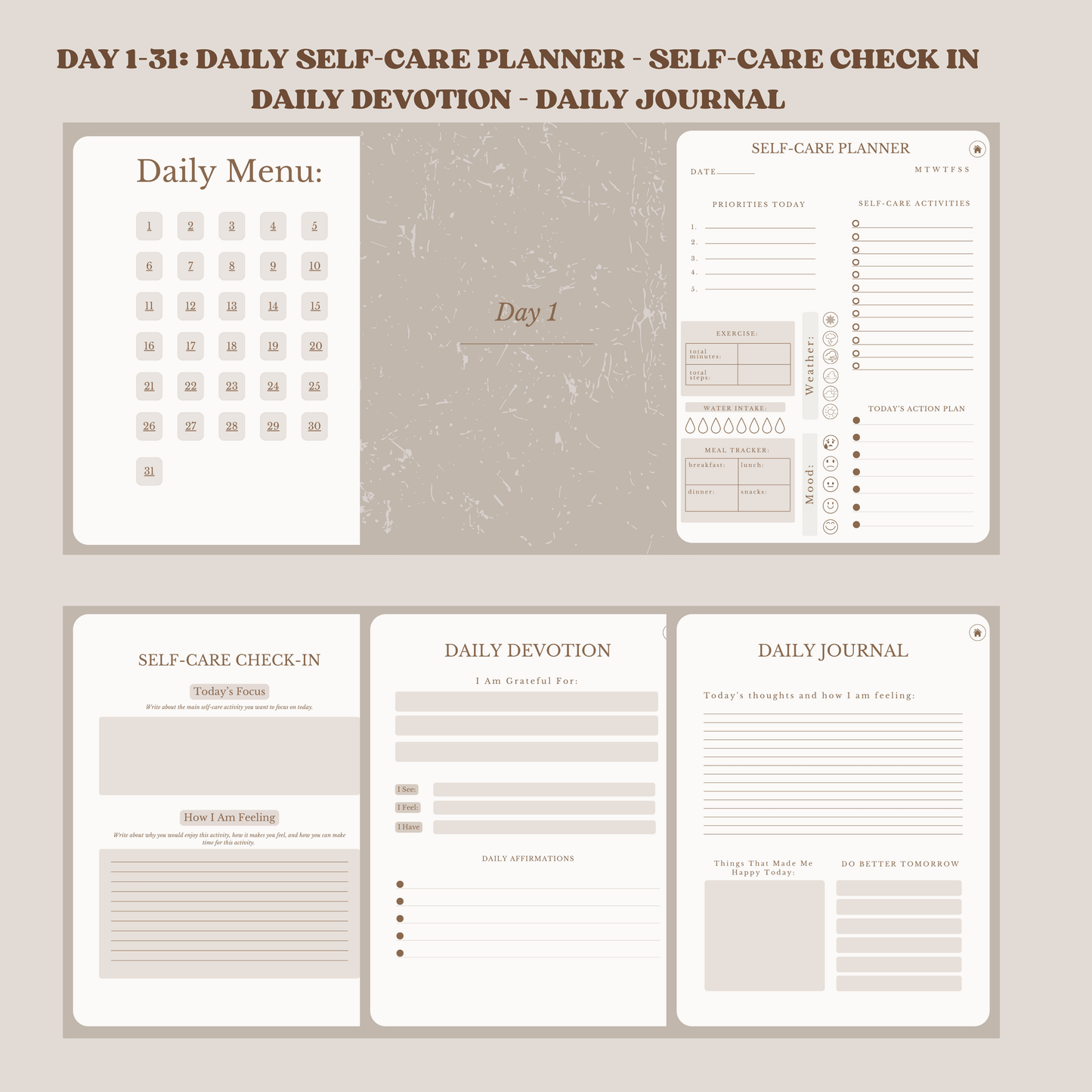
2. Embrace Self-Care with a Digital Self-Care Planner
Managing mental health can be much easier when you’re organized and proactive. A digital self-care planner can be your best friend in this journey.
a. Choose Your Planner: Find a digital planner that suits your style. Look for one that offers features like mood tracking, to-do lists, and reminders for self-care activities.
b. Set Personal Goals: Use your planner to set small, achievable goals for your mental health. This might be something like practicing mindfulness for 10 minutes a day or setting aside time for a hobby you love.
c. Track Your Moods: Many digital planners have mood-tracking features. Regularly noting how you’re feeling can help you identify patterns and triggers, and it’s a great way to keep track of your progress.
d. Plan Self-Care Activities: Schedule regular self-care activities in your planner. Whether it’s a weekly yoga class, a relaxing bath, or time to read a book, having these activities planned can help ensure you make time for them.
e. Reflect and Adjust: Use your planner to reflect on what’s working and what’s not. Adjust your self-care routine based on what you learn about yourself and your needs.
3. Set Healthy Boundaries
Setting boundaries is crucial for maintaining mental health. It helps prevent burnout and ensures you’re taking care of your own needs.
a. Identify Your Limits: Pay attention to when you start feeling overwhelmed or stressed. This is a sign that you might need to set a boundary.
b. Communicate Clearly: Be honest and direct when communicating your boundaries. Whether it’s with work, family, or friends, letting people know your limits helps prevent misunderstandings.
c. Learn to Say No: It’s okay to say no to additional commitments or activities that don’t align with your priorities or that might add unnecessary stress.
d. Protect Your Time: Allocate specific times for yourself and stick to them. Whether it’s time for a hobby, relaxation, or simply being alone, make sure you have moments to recharge.
e. Respect Others’ Boundaries: Just as you set boundaries, be mindful and respectful of the boundaries set by others. This mutual respect helps create a more balanced and supportive environment.
4. Engage in Physical Activity
Exercise isn’t just for your body, it’s also great for your mind. Regular physical activity can boost your mood and reduce symptoms of anxiety and depression.
a. Find What You Enjoy: Choose activities that you find fun and enjoyable. Whether it’s dancing, hiking, swimming, or playing a sport, the key is to make it something you look forward to.
b. Incorporate Movement into Your Day: Look for ways to add movement throughout your day. Take the stairs, go for a walk during lunch, or do a quick workout at home.
c. Set Realistic Goals: Start with small, achievable fitness goals and gradually increase them as you build confidence and stamina.
d. Join a Group or Class: Sometimes exercising with others can be more motivating. Consider joining a fitness class, a sports team, or a walking group.
e. Celebrate Your Achievements: Recognize and celebrate your progress, no matter how small. It’s important to acknowledge the positive impact of your efforts on your mental health.
5. Prioritize Rest and Sleep
Getting enough rest is crucial for mental health. Quality sleep helps regulate mood, improve cognitive function, and reduce stress.
a. Establish a Sleep Routine: Go to bed and wake up at the same time every day, even on weekends. A consistent sleep schedule helps regulate your body’s internal clock.
b. Create a Relaxing Bedtime Ritual: Develop a calming pre-sleep routine, such as reading a book, taking a warm bath, or practicing relaxation exercises. Avoid screens and stimulating activities before bed.
c. Make Your Sleep Environment Comfortable: Ensure your bedroom is conducive to sleep. Keep it cool, dark, and quiet, and invest in a comfortable mattress and pillows.
d. Limit Caffeine and Alcohol: Avoid consuming caffeine and alcohol close to bedtime, as they can interfere with sleep quality.
e. Listen to Your Body: Pay attention to your body’s signals. If you’re feeling tired, allow yourself to rest. Adequate sleep is essential for overall mental and physical health.
6. Engage in Creative Outlets
Creativity can be a powerful tool for mental well-being. Engaging in creative activities helps reduce stress and provides a sense of accomplishment.
a. Explore Your Interests: Try out different creative activities to see what resonates with you. This could be painting, writing, crafting, or playing a musical instrument.
b. Make Time for Creativity: Set aside regular time for creative pursuits. Even if it’s just a few minutes a day, making time for creativity can be therapeutic.
c. Don’t Worry About Perfection: The goal is not to create a masterpiece but to enjoy the process. Allow yourself to experiment and express yourself without judgment.
d. Join a Creative Group: Connect with others who share your creative interests. Joining a class or group can provide inspiration, support, and a sense of community.
e. Celebrate Your Creations: Take pride in your creative work. Display it, share it, or simply appreciate it for the joy it brings you.
7. Practice Gratitude
Gratitude is a simple yet powerful practice that can enhance your mental well-being. It helps shift your focus from what’s lacking to what you appreciate in your life.
a. Keep a Gratitude Journal: Regularly write down things you’re grateful for. This can be anything from a kind gesture to a beautiful sunset. Reflecting on positive aspects of your life can boost your mood.
b. Express Thanks: Make it a habit to express gratitude to others. A heartfelt thank you or a note of appreciation can strengthen relationships and spread positivity.
d. tart Your Day with Gratitude: Begin each day by acknowledging something you’re grateful for. This simple practice sets a positive tone for the day ahead.
d. Create a Gratitude Jar: Write down things you’re thankful for on slips of paper and place them in a jar. When you’re feeling down, read through the notes to remind yourself of the good things in your life.
e. Practice Mindful Appreciation: Take a moment to savor everyday moments. Whether it’s enjoying a delicious meal or feeling the warmth of the sun, being present in these moments can enhance your sense of gratitude.
8. Make Time for Reading
Reading can be a wonderful way to relax and take care of your mental health. It provides an escape, stimulates your mind, and can even be a source of inspiration and comfort.
a. Choose What You Enjoy: Pick books that you find engaging and enjoyable. Whether it’s fiction, non-fiction, or self-help, choose genres that resonate with you.
b. Set Aside Reading Time: Dedicate a specific time each day or week to reading. It could be before bed, during your lunch break, or while you’re relaxing on the couch.
c. Create a Cozy Reading Space: Make your reading time special by creating a comfortable and inviting space. This could be a cozy corner with a good chair, soft lighting, and a blanket.
d. Join a Book Club: Connect with others who share your love of reading. A book club can provide a sense of community and offer new perspectives on the books you read.
e. Use Reading as a Form of Escape: Allow yourself to get lost in a good book. Reading can be a great way to unwind and take a mental break from daily stressors.
Wrapping Up
Taking care of your mental health is a journey, and it’s okay to take it one step at a time. By incorporating a digital self-care planner, practicing mindfulness, setting boundaries, and engaging in activities that bring you joy, you’re already on the right track.
Remember, it’s not about being perfect but about finding what works for you and making self-care a regular part of your life. Embrace the process, be patient with yourself, and celebrate your progress.
Your mental well-being matters, and implementing some of these steps can help you nurture and support it every day. Here’s to a balanced and healthy mind!