Wellness on a Budget: Prioritizing Your Health Without Breaking the Bank

When it comes to wellness, we often think of expensive gym memberships, organic groceries, or luxury spa retreats. The wellness industry, filled with costly products and services, can make it seem like self-care is only accessible to those with deep pockets.
However, wellness doesn’t have to be expensive. In fact, true wellness is about creating a balanced, healthy lifestyle that supports your physical, mental, and emotional well-being—and you can do it on a budget.
This article explores how you can embrace wellness without straining your finances. From affordable exercise routines to budget-friendly nutrition tips and cost-effective mental health practices, you’ll discover that maintaining a healthy lifestyle is more about mindful choices than spending money.
1. Embrace the Outdoors
One of the most accessible and budget-friendly ways to stay fit and healthy is to embrace the outdoors. Nature offers countless opportunities for physical activity, mental clarity, and emotional well-being—all at no cost.
- Walking and Hiking: Walking is one of the simplest yet most effective forms of exercise. It’s free, requires no special equipment, and can be done almost anywhere. Whether you’re strolling around your neighborhood, hiking a local trail, or exploring a nearby park, walking not only boosts cardiovascular health but also improves mood and reduces stress. If you’re looking for a more challenging workout, consider hiking. Many communities have public trails that offer the benefits of walking along with the added challenge of elevation and varied terrain.
- Outdoor Workouts: If you enjoy more structured workouts, consider taking your exercise routine outdoors. Many parks have free fitness stations with equipment like pull-up bars and benches that you can use for strength training. You can also create your own workout using bodyweight exercises like push-ups, squats, lunges, and planks. The fresh air and natural surroundings add a rejuvenating element to your routine, making it more enjoyable and sustainable.
- Mental Health Benefits of Nature: Spending time in nature isn’t just good for your body; it’s also beneficial for your mind. Research shows that time spent outdoors can reduce symptoms of anxiety, depression, and stress. Whether you’re walking in the park, sitting by a lake, or simply enjoying the view from your window, connecting with nature is a powerful and cost-free way to boost your mental well-being.
2. Get Creative with Home Workouts
Gym memberships can be expensive, but that doesn’t mean you have to miss out on the benefits of regular exercise. Home workouts are a fantastic, budget-friendly alternative that allow you to stay fit without the financial commitment.
- Bodyweight Exercises: Bodyweight exercises like push-ups, squats, lunges, and planks are highly effective and require no equipment. These exercises target multiple muscle groups and can be easily modified to suit your fitness level. For example, if you’re a beginner, start with wall push-ups or chair-assisted squats. As you gain strength, you can progress to more challenging variations.
- Online Fitness Resources: The internet is a treasure trove of free workout resources. YouTube, for example, offers thousands of workout videos for all fitness levels and preferences, from yoga and Pilates to HIIT (High-Intensity Interval Training) and strength training. Many fitness influencers and trainers share full-length workouts, tutorials, and tips at no cost. You can also find fitness apps that offer free or low-cost workout plans, making it easy to stay on track.
- Household Items as Equipment: You don’t need to invest in expensive gym equipment to get a good workout. Household items like water bottles, laundry detergent containers, and chairs can double as workout tools. Use filled water bottles as hand weights for strength exercises, or use a chair for tricep dips, step-ups, or incline push-ups. Get creative with what you have on hand, and you’ll be surprised at how effective your home workouts can be.
3. Eating Well on a Budget
Healthy eating is often associated with high costs, especially when it comes to organic produce and specialty health foods. However, eating well doesn’t have to be expensive. With some strategic planning and smart shopping, you can nourish your body with nutritious foods without overspending.
- Plan Your Meals: Meal planning is one of the best ways to save money while ensuring you eat a balanced diet. Start by creating a weekly menu based on affordable, versatile ingredients like beans, rice, pasta, eggs, and seasonal vegetables. Planning your meals in advance helps you avoid impulse purchases and ensures that you use up what you buy, reducing food waste.
- Shop Smart: When shopping on a budget, it’s important to focus on whole, unprocessed foods. Items like beans, lentils, oats, potatoes, and frozen vegetables are not only inexpensive but also packed with nutrients. Buying in bulk is another great way to save money. Staples like rice, pasta, and grains often cost less when purchased in larger quantities. Additionally, shopping at farmers' markets or joining a community-supported agriculture (CSA) program can provide fresh produce at lower prices.
- Cook at Home: Cooking at home is not only healthier but also more cost-effective than eating out. Preparing your meals allows you to control the ingredients and portion sizes, ensuring that you get the nutrients you need without unnecessary additives or excess calories. If time is an issue, consider batch cooking on weekends or using a slow cooker to prepare meals in advance.
- Minimize Food Waste: Reducing food waste is a key strategy for eating well on a budget. Get creative with leftovers by turning them into new meals. For example, roasted vegetables can be added to salads or omelets, and cooked grains can be repurposed into stir-fries or grain bowls. Properly storing fruits and vegetables can also extend their shelf life, helping you make the most of what you buy.
4. Prioritizing Mental Health Affordably
Mental wellness is just as important as physical health, and there are many ways to care for your mind and emotions without spending a lot of money.
- Practice Mindfulness and Meditation:
Mindfulness and meditation are powerful tools for managing stress, anxiety, and negative thoughts. These practices encourage you to focus on the present moment, fostering a sense of calm and balance. The best part? They’re completely free. You can practice mindfulness simply by paying attention to your breath, observing your thoughts without judgment, or engaging in a mindful activity like coloring or walking. There are also plenty of free meditation apps and guided sessions available online to help you get started.
- Journaling:
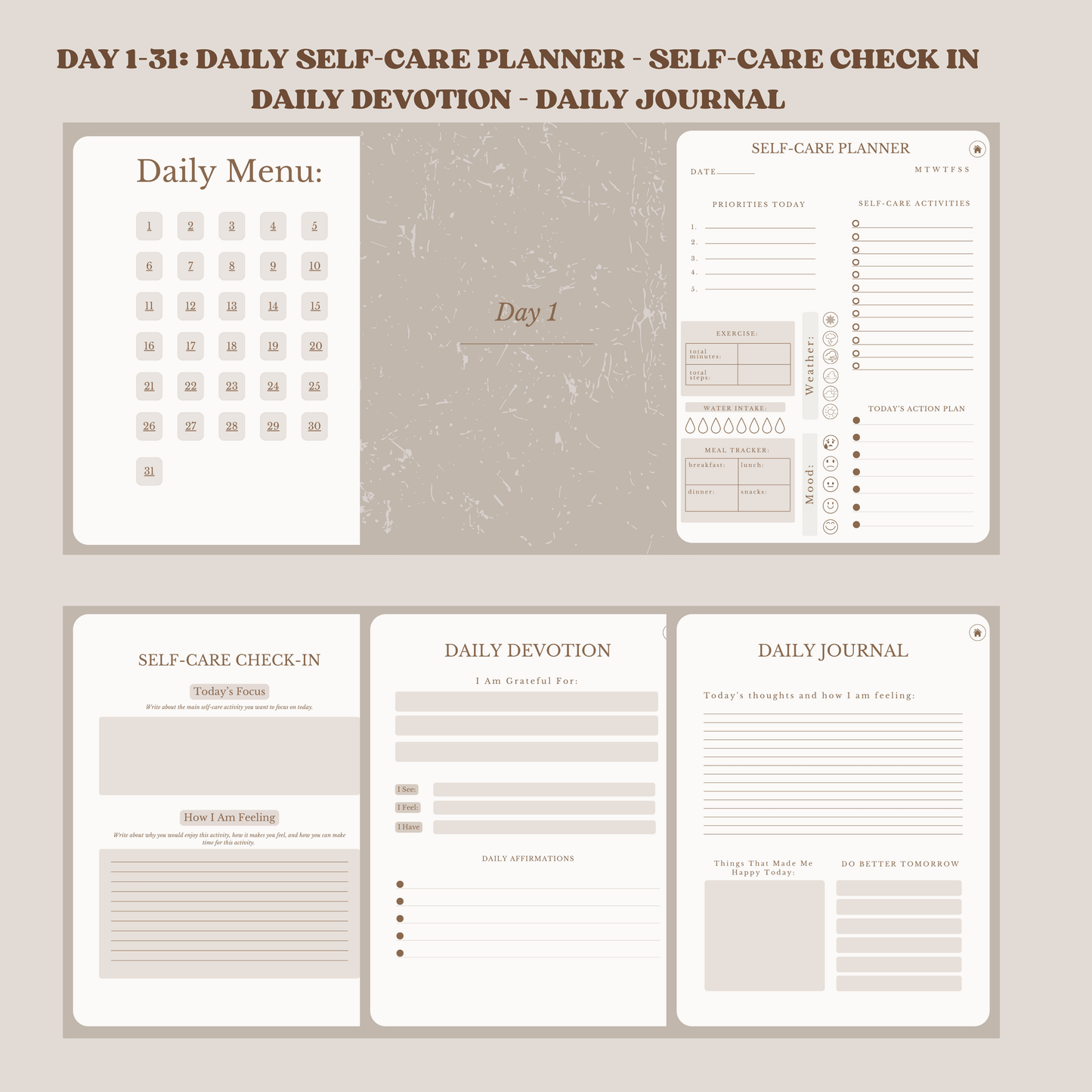
Writing down your thoughts, feelings, and experiences is a therapeutic way to process emotions and gain clarity. Journaling allows you to reflect on your day, set intentions, and express gratitude, all of which contribute to better mental health. All you need is a notebook and a pen, making journaling an affordable and accessible wellness practice.
- Connect with Others:
Social connections are vital for mental health, but you don’t need to spend money to nurture your relationships. Simple activities like phone calls, video chats, or walks with friends can strengthen your bonds and provide emotional support. Joining community groups, volunteering, or participating in free local events are also great ways to connect with others without financial pressure.
5. Self-Care on a Budget
Self-care is often associated with luxury—think spa days, expensive skincare products, or elaborate wellness retreats. However, self-care is fundamentally about taking time to care for your physical, mental, and emotional needs, and it doesn’t have to cost a lot.
- DIY Spa Day:
Create your own spa experience at home using simple, affordable ingredients. For example, a homemade face mask can be made with ingredients like honey, oatmeal, or yogurt. Epsom salts and essential oils are inexpensive additions to a relaxing bath. Light some candles, play soothing music, and indulge in a little pampering without spending much.
- Digital Detox:
Sometimes, the best form of self-care is disconnecting from the constant demands of digital life. Set aside time each day to unplug from your devices, whether it’s during meals, before bed, or while enjoying a walk. A digital detox doesn’t cost a thing, but it can significantly improve your mental clarity, reduce stress, and enhance your overall well-being.
- Sleep Well:
Good sleep is one of the most important aspects of wellness, yet it’s often overlooked. Prioritizing sleep doesn’t require spending money—it’s about creating a healthy sleep environment and establishing a routine. Ensure your bedroom is cool, dark, and quiet, and try to go to bed and wake up at the same time each day. Quality sleep improves your mood, boosts your immune system, and helps your body recover, making it a cornerstone of wellness on a budget.
6. Free or Low-Cost Resources for Learning and Growth
Personal growth is an important aspect of wellness, and there are many ways to continue learning and growing without spending a lot of money.
- Library Resources:
Your local library is a treasure trove of free resources. In addition to books, many libraries offer free access to e-books, audiobooks, online courses, and workshops. Whether you’re interested in learning a new skill, exploring a hobby, or reading about wellness, your library is a valuable, budget-friendly resource.
- Podcasts and YouTube Channels:
The internet is filled with free content that can inspire and educate you on your wellness journey. Podcasts and YouTube channels cover a wide range of topics, from nutrition and fitness to mindfulness and mental health. Whether you’re listening to a podcast during your commute or following a YouTube workout, these resources provide valuable insights and guidance without costing a dime.
- Skill-Sharing Communities:
Joining a skill-sharing community can be a great way to learn new things and connect with others, all at little to no cost. Websites like Meetup, Skillshare, or even local community centers often host free or low-cost classes and workshops. Whether you’re interested in cooking, yoga, painting, or meditation, these communities offer opportunities to grow and connect with like-minded individuals.
Conclusion
Wellness doesn’t have to be expensive. By focusing on simple, accessible practices, you can prioritize your health and well-being without straining your finances. From enjoying the outdoors and cooking healthy meals at home to practicing mindfulness and embracing affordable self-care routines, there are countless ways to live a healthy, balanced life on a budget.
Remember, wellness is not about how much you spend; it’s about the choices you make each day to care for yourself. By being mindful and creative, you can achieve wellness that fits your lifestyle and your budget.